
Euronews Tech Talks
Euronews Tech Talks explores the impact of new technologies on our lives, covering topics from Generative AI and space exploration to blockchain and net neutrality. The podcast provides explanations, engaging Q&As, and lively conversations about the intersection of technology and society. It aims to delve into pressing questions that shape Europe's digital future.
Épisodes
Plastic ocean: How scientists detect and study marine microplastics
What impact do microplastics have on marine species? How can scientists identify marine microplastics? And why should we care? Euronews Tech Talks travelled to the Flanders Marine Institute in Ostend, on the Belgian coast, to answer these and more questions with researchers Ana Catarino, Nelle Meyers and Juliette Grandjean. Do you want to reach out to Euronews Tech Talks? Email alice.car
Could your skincare contain microplastics?
With the beauty industry booming, how much do we really know about the products we apply onto our skin and the regulations making sure they are safe?In this second episode on microplastics, Euronews Tech Talks explores the relationship between cosmetics, microbeads and how they affect us with environmental lawyer Hélène Duguy and environmental chemist Iseult Lynch. Do you want to reach out to
How much do we really know about microplastics?
The word “microplastics” appeared for the first time in 2004, coined by Richard Thompson, now a marine biology professor at the University of Plymouth. Over the past 22 years, microplastics have gained increasing attention, but questions about them still seem to outnumber what we actually know.In this Q&A episode of Euronews Tech Talks, we pose your questions to Heather Leslie, an indepen
How AI and satellites can help protect our oceans
On the occasion of World Oceans Day (8 June), Euronews Tech Talks explores how satellites and artificial intelligence can contribute to ocean monitoring and protection with Alain Arnaud, director of the digital ocean programme at the French-based organisation Mercator Ocean International. Mercator’s flagship product is the European Digital Twin Ocean (EDITO), a virtual replica of the ocean, a
Can social media be safer?
What are digital rights? How does content moderation work on social media platforms? Is GDPR truly holding Big Tech companies accountable? To answer these and more of your questions, Euronews Tech Talks sits down with Gloria González Fuster, research professor at Vrije Universiteit Brussel, specialising in digitalisation and rights, and Silvia Semenzin, a researcher at AI Forensics with a backgrou
Should under-16s be banned from social media?
After Australia became the first country in the world to ban social media for under-16s, debates over similar measures have spread across Europe. Euronews Tech Talks explores this strategy with European teenagers and two experts: neuropsychiatrist and member of the supervisory board of the Belgian association Kids Unplugged, Theo Compernolle and sociologist and vice-coordinator of the researc
Are there alternatives to mainstream social media platforms?
Privacy, political, and ethical concerns are pushing people to look for alternative social media platforms. Are there other options to mainstream platforms?Euronews Tech Talks explores this and more questions with Michael Bossetta, associate professor of communication at Lund University, Christos Floros, founder and CEO of Monnet and Sandra Wachter, professor of technology and regulation at the Un
Artemis II: Why should we care?
The Artemis II mission brought four astronauts farther from Earth than humanity had ever ventured before.To discuss its importance, Europe’s role and what comes after, Euronews Tech Talks speaks with UK journalist Kate Arkless Gray and Belgian science reporter Senne Starckx.Do you want to reach out to Euronews Tech Talks? Email alice.carnevali@euronews.com.Euronews Tech Talks goes beyond disc
What’s it like to be an astronaut, with former NASA astronaut Daniel Tani
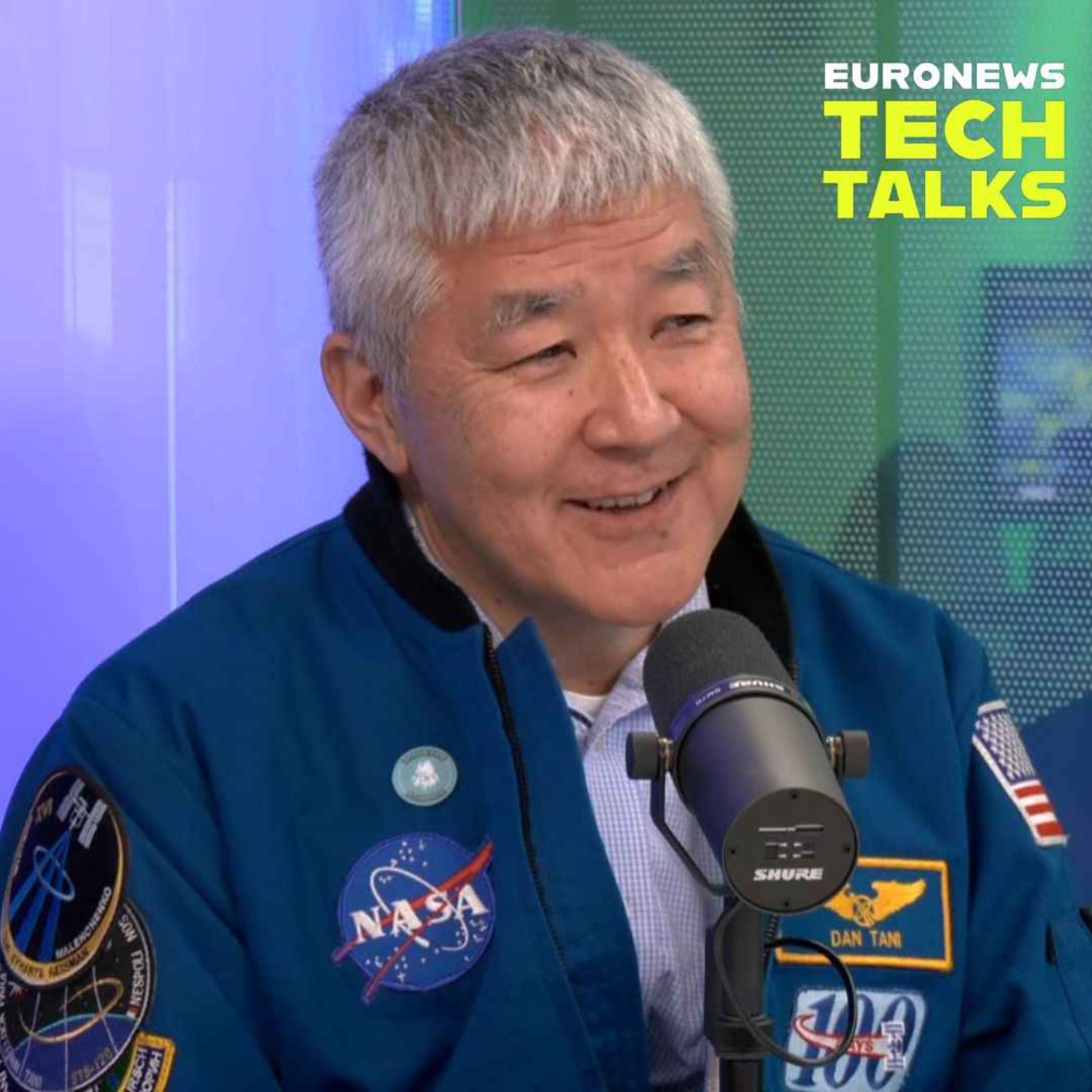
Daniel Tani spent over 130 days in space, most of which were on the International Space Station (ISS), and he conducted six extra-vehicular activities, also known as space walks. As a child, he did not want to become an astronaut, but life and career choices got him into orbit as a NASA astronaut. Tani sits down with Euronews Tech Talks to share his experience as an astronaut, his though
Is Europe’s space infrastructure ready for threats?
There’s momentum in Europe toward space defence, but are European space systems advanced enough to counter cyber threats? To answer this and more of the questions you submitted to us, Euronews Tech Talks speaks with Giulia Pavesi, lead of security and defence at the European Space Policy Institute (ESPI), and Jean‑Luc Trullemans, head of the European Space Security and Education Centre at the
How to track a spy satellite
The first time our podcast producer met Marco Langbroek in September 2025, he told her always to carry cash. That’s because financial transactions, which rely on satellites, could be disrupted by what he is seeing in space. A lecturer of space situational awareness at TU Delft in the Netherlands, Langbroek is an expert in tracking spy satellites. Six months on, is he more worried or less
A political space: Satellites as instruments of space defence
As space becomes increasingly militarised, what role do satellites play, and where does the EU position itself? Euronews Tech Talks talks to researcher Luciano Anselmo, Geosat CEO Francisco Vilhena da Cunha, and EUSPA executive director Rodrigo da Costa to answer these and more questions.Do you want to reach out to Euronews Tech Talks? Email alice.carnevali@euronews.com.Euronews Tec
Is it safe to use AI chatbots for therapy?
Little is still known about the relationship between humans, therapy, and AI chatbots, yet these tools are being used by some people seeking quick psychological support. What are the risks, and are there any benefits? Euronews Tech Talks spoke with Charlotte Blease, a philosopher and healthcare researcher, and Tom Van Daele, clinical psychologist and research coordinator in psychology and tec
Art in the age of AI: Is creativity still human?
If you have been tempted to transform one of your photos into a Studio Ghibli–style illustration with ChatGPT, you should sit down and listen to this podcast.In this second special episode of Euronews Tech Talks on artificial intelligence (AI), we sit down with artist Sofia Crespo, comic book artist Francesco Archidiacono, and Eleonora Lima, lecturer and researcher in digital humanities at King’s
Can we reduce AI’s environmental cost?
Artificial intelligence might seem invisible, yet it has a significant environmental impact — one that is difficult to quantify due to companies' lack of transparency with their data. So, to what extent should we be worried? Is there a way to reduce the environmental cost of AI? To answer this question and unpack the relationship between AI and the environment, Euronews Tech Talks
A robot to counter children’s loneliness
Euronews Tech Talks sits down with Karen Dolva, co-founder and former CEO of the Norwegian tech company No Isolation, whose robots help children with medical conditions and social difficulties attend school. Do you want to reach out to Euronews Tech Talks? Email alice.carnevali@euronews.comEuronews Tech Talks goes beyond discussions to explore the impact of new technologies on our
Can robots grow food on Earth and in space?
Robotics is making its way into agriculture, helping address challenges such as chemical use and labour shortages. What are the potentials? What are the challenges?In this episode, we travel to Oslo to meet Lars Grimstad, CTO and co-founder of the agri-tech company Saga Robotics. We also hear from professors Stefano Stramigioli and Ioannis Athanasiadis, as well as engineers Giorgio Boscheri and Ce
Will robots do our dishes in 2030?
How is AI transforming robotics? Will robots ever replace doctors or come into our homes? In this episode of Euronews Tech Talks, we put these and more of your questions to Kai Olav Ellefsen, associate professor at the University of Oslo. Do you want to reach out to Euronews Tech Talks? Email alice.carnevali@euronews.com.Video: https://www.euronews.com/video/2025/11/27/qa-how-will-robotics-sh
To mine or not to mine in space?
We hear more and more about space mining projects—companies are interested in mining asteroids, and the European Commission is exploring the idea of mining the Moon for critical raw materials. But what would be mined? How? And would it be ethical and legal?In this episode, Euronews Tech Talks sits down with several experts to discuss these questions: Ian Crawford, a professor of planetary science
Space-based solar energy: Reality or science fiction?
Although engineers began developing space-based solar energy technology in the 1960s, it still hasn’t become a reality. Why?In this episode, Euronews Tech Talks tries to answer this question by speaking with Sanjay Vijendran, co-founder and CTO of TerraSpark; Francesco Contino, professor at the school of engineering at UC Louvain; and Wei He, senior lecturer in engineering at King’s College London
Could NASA really put a nuclear reactor on the Moon by 2030?
NASA’s decision to speed up plans for building a nuclear reactor on the Moon has raised questions about the United States’ broader space strategy and renewed curiosity about the use of nuclear energy beyond Earth. In this episode of Euronews Tech Talks, we address these questions with professor Simon Middleburgh, co-director of the Nuclear Futures Institute at the University of Bangor (UK), A
A world without PFAS
In this final chapter of our journey into the world of PFAS, we speak with Fajer Mushtaq, whose company Oxyle is working to contain and destroy PFAS in wastewater, and with Miika Nikinmaa and Diana Lau, who are developing alternatives for food packaging and textiles through the ZeroF project.Do you want to reach out to Euronews Tech Talks? Email alice.carnevali@euronews.comEuronews Tech Talks
Life in Zwijndrecht: A European PFAS hotspot
What is it like to live in one of Europe’s hotspots for PFAS contamination? Jeroen Van Reeth, a resident of Zwijndrecht—the Belgian town affected by PFAS produced by the chemical company 3M—opens his home to Euronews Tech Talks to share his experience.We, then, speak with experts Jacob de Boer, Hans Peter Arp and Madeleine Bussemaker to uncover if and how it is possible to contain and destroy “for
Q&A: PFAS, what’s all the fuss?
Per- and polyfluoroalkyl substances (PFAS) are man-made chemicals widely used in the industry, but potentially harmful to human health. They can be found on pizza boxes, ski clothing, and sanitary pads, but some studies associate them with multiple kinds of health problems. In this Q&A episode, we explore PFAS by putting your questions to chemist Martin Scheringer, research scientist
Why do athletes dope, and at what cost? Ex-pro cyclist Bo Hamburger explains
For this season finale of Euronews Tech Talks, former professional cyclist Bo Hamburger reflects on his use of EPO in the 1990s and early 2000s, offering insights into how doping works, why athletes turn to it, and its potential health effects. We’re also joined by April Henning, Associate Professor of International Sport Management at the Edinburgh Business School, Heriot-Watt University, and Dom
Can AI help detect doping in sports?
Researchers are developing AI programmes to make doping detection more effective, faster, and cheaper. How do these systems work? What challenges do their creators face?Euronews Tech Talks sits down with Wolfgang Maass, Professor of Business Informatics and Computer Science at Saarland University and Francesco Botrè, Director of the WADA-accredited anti-doping laboratory in Rome, to answer these q
What is doping, and how do athletes get away with it?
What is doping? How do these prohibited substances work? In this Q&A episode, Euronews Tech Talks explores this topic with Andrea Petróczi, Professor of Public Health at Kingston University.Credit for Lance Armstrong interview: Oprah Winfrey Network (OWN). “Oprah and Lance Armstrong: The Worldwide Exclusive”. Aired January 17–18, 2013.Euronews Tech Talks goes beyond discussions to explore
From crisis to cure: Cleaning the world's oceans
Plastic and chemical pollution in marine environments pose a major threat to the health of our oceans. Euronews Tech Talks interviews two experts to understand the scale of the problem and explore the technological solutions that could help address it. Simon Bernard, CEO of Plastic Odyssey, is on a world tour to collect solutions to plastic pollution; Anneliese Hodge is a researcher working on the
ESA's Biomass satellite: The D-Day
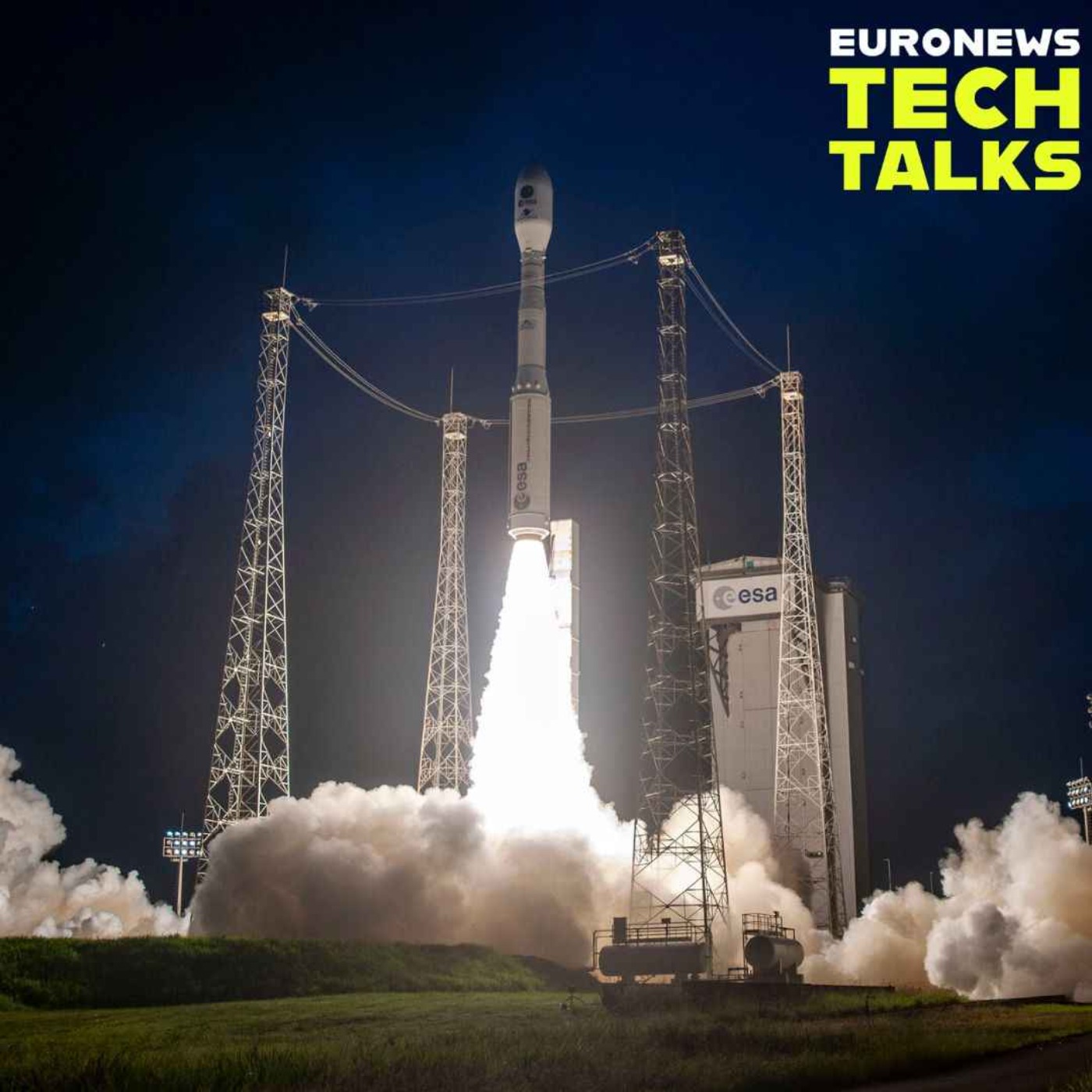
What happens on a satellite’s launch day? What are the thoughts and emotions of those behind the mission?In this second of two special episodes on the European Space Agency’s Biomass satellite, Euronews Tech Talks takes you to Kourou for a behind-the-scenes look at the launch to answer these questions.Podcast cover credits: ESA-CNES-ARIANESPACE/Optique vidéo du CSG–S. MartinEuronews Tech Talks&nbs
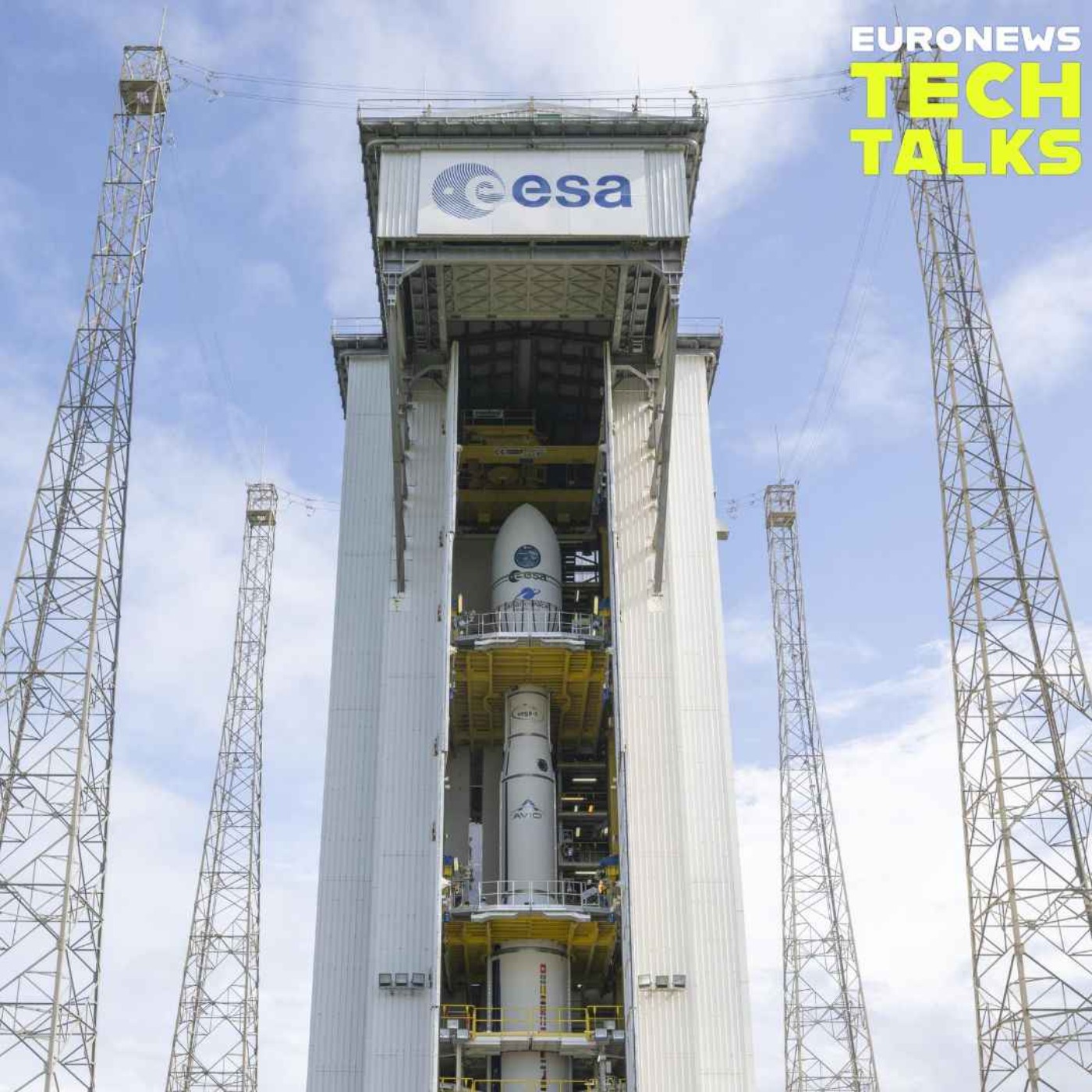
Uncovering forests’ mysteries from space: ESA’s Biomass satellite
The European Space Agency (ESA)’s Biomass satellite is designed to measure the amount of carbon stored in tropical forests. It was launched from Europe’s spaceport in Kourou, on 29 April 2025.In the first of two special episodes dedicated to the mission, Euronews Tech Talks takes you to French Guiana on the eve of the launch to explore what the satellite is designed to do and how people were feeli
Should the EU relax regulations on next-generation GMOs?
The deregulation of a new generation of genetically modified organisms is stirring debate across the European Union. Euronews Tech Talks dives into the controversy, exploring whether the EU should ease restrictions on cutting-edge genetic technologies, by listening to both sides of the debate. Euronews Tech Talks goes beyond discussions to explore the impact of new technologies on our li
NGTs: Why all the buzz?
In today’s episode, we’ll dive into the world of new genomic techniques and their application in the agricultural sector. Once again, our journey will take us to the UK, more precisely in Hertfordshire, a county in southeast England. Here, a group of scientists is running Europe’s first gene-edited wheat field trial created through CRISPR-Cas. We’ll quickly realise that just like their a
Q&A: Uncovering GMOs
Genetically Modified Organisms (GMOs) are widely discussed, yet few truly understand what they are and how they work. In this Q&A episode of Euronews Tech Talks, we answer your questions with Josep Casacuberta, a researcher at the Centre for Research in Agricultural Genomics in Barcelona and chair of the GMO panel at EFSA.Euronews Tech Talks goes beyond discussions to explore the impact o
Can observing Earth from space help tackle climate change? A conversation with ESA expert Jean-Christophe Gros
When tackling a problem, we’re often told to step back and look at it from a different perspective. Earth observation from space does just that, providing crucial data on our planet’s biggest challenges. In this episode of Euronews Tech Talks, we explore this topic with Jean-Christophe Gros, EU Programme Coordinator at ESA.Euronews Tech Talks goes beyond discussions to explore the impact of n
Does space need a clean-up? A conversation with ESA expert Quentin Verspieren
What is space debris? How do we manage it? Is it dangerous? Euronews Tech Talks investigates with Quentin Verspieren, Space Safety Programme Coordinator at the European Space Agency (ESA).Euronews Tech Talks goes beyond discussions to explore the impact of new technologies on our lives. With explanations, engaging Q&As, and lively conversations, the podcast provides valuable insights into
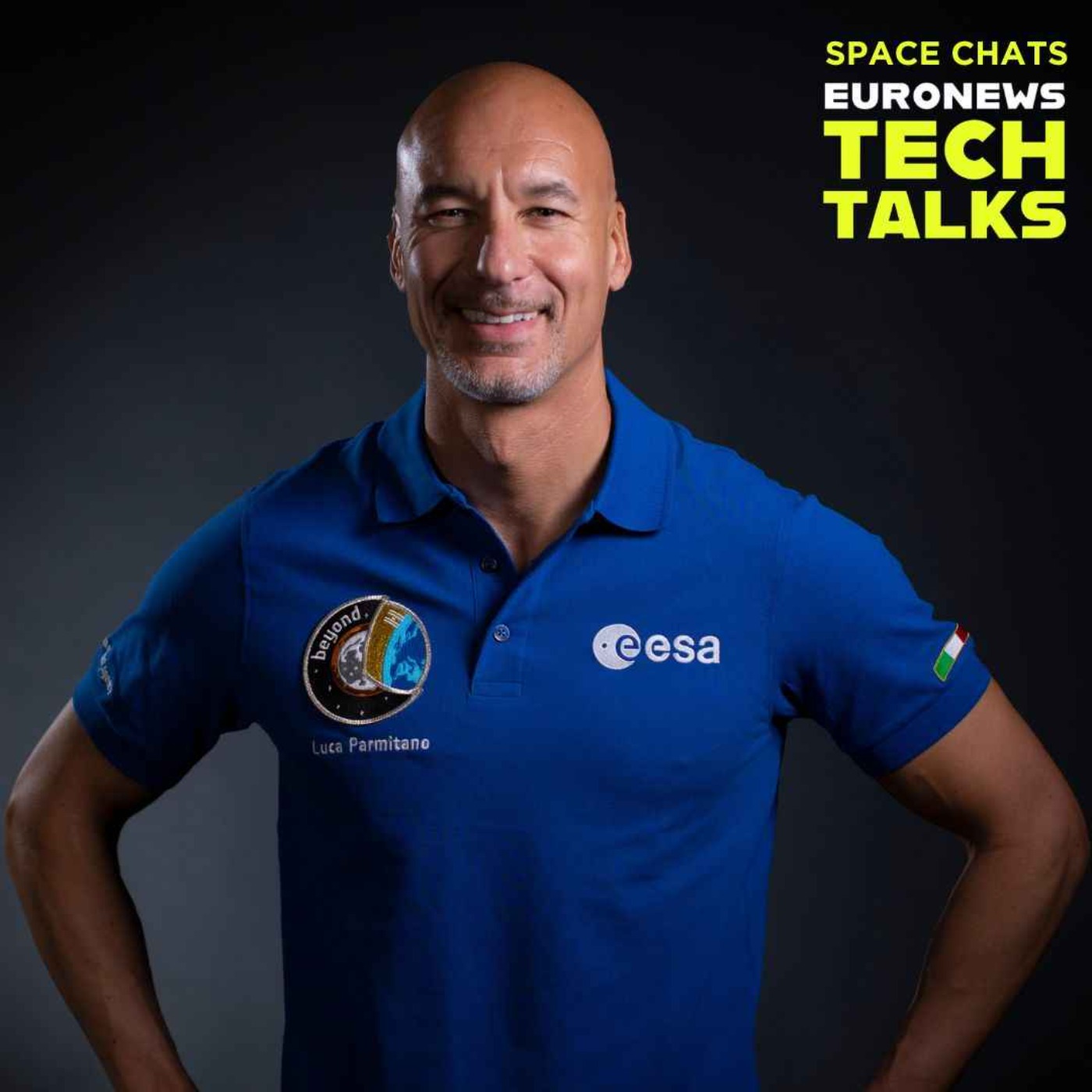
The Moon, Mars and beyond with ESA astronaut Luca Parmitano
The Artemis program, Mars exploration, and the future of the International Space Station mark an exciting era for space. ESA astronaut Luca Parmitano joins Euronews Tech Talks to discuss these projects and Europe's role in them.Former commander of the International Space Station, Parmitano is now based in Houston, in the United States. There he works as the liaison officer between the European Ast
Reconditioning and recycling lithium-ion batteries
How can lithium-ion batteries be recycled and recovered? Why are these processes important, and what are the limitations of these practices? Euronews Tech Talks delves into these questions with Alban Regnier, president and co-founder of the French company Volt R and Alberto Tosoni, CEO of the Italian company Ecomet Refining. Euronews Tech Talks goes beyond discussions to explore the impa
Does Europe need lithium mines?
Although Europe possesses several lithium reserves, many European citizens and environmental groups have strongly opposed mining projects. As a result, Europe remains heavily dependent on importing lithium and lithium-ion batteries.In today’s episode, Euronews explores the debate over lithium mines in Europe, featuring insights from two experts with differing viewpoints on the issue: Lindsey Wuisa
How would we live without lithium?
From electric vehicles to satellites and spacecraft, lithium-ion batteries have revolutionised our daily lives. Euronews Tech Talks tries to understand how by talking to Maitane Berecibar head of the Battery and Innovation Centre at the Vrije Universiteit in Brussels, Julia Poliscanova, Senior Director at Transport and Environment in Brussels, and Aurore Carré, Head of the Energy Storage Section a
Q&A: Lithium, the key to a sustainable future?
Lithium is among the most wanted raw materials, often referred to as the “white gold” for its central role in the production of lithium-ion batteries, used in technological devices and electric vehicles. But what is lithium? Is it truly the key to the ecological transition? Euronews Tech Talks explores the topic. Euronews Tech Talks goes beyond discussions to explore the impact of new technol
Nuclear fusion: The Jet project
Fusion energy could be a potential game-changer for the energy landscape, but scientists are still figuring out how to scale it for power plants. What makes fusion energy so challenging, and why is there so much hype around it? Euronews Tech Talks explored these questions through the JET project. Euronews Tech Talks goes beyond discussions to explore the impact of new technologies on ou
Nuclear energy: The debate
Is nuclear energy worth its cost? Should green advocates support or oppose nuclear energy? The answers to these questions and many more on the Euronews Tech Talks nuclear energy debate episode with Michele Governatori and Myrto Tripathi. Michele Governatori is the power and gas programme lead at Ecco, the Italian climate change think tank; Myrto Tripathi is the head and founder of Voices of N
The Atomium: fears and hopes, then and now
The Euronews Tech Talks team heads to the iconic Atomium monument in Brussels. Nearly seven decades after its inauguration as a symbol of nuclear energy, the Atomium still sparks questions about potential dangers and its role in helping Europe achieve its environmental goals. Typically, we start our episode series with a documentary, but this time we’re diving straight into the Q&A. Prepare yo
Inside Europe’s first IBM quantum data centre
In southern Germany, Ehningen resembles any typical European family town—with a few local restaurants, a library, and children playing football in the streets. No one would expect that just a few kilometres away lies an industrial hub, home to one of the most groundbreaking technological revolutions: the first IBM quantum computing data centre in Europe. Euronews Tech Talks takes you inside on the
Anti-ageing tips from astronauts
Ever wondered how to stop accelerated ageing in astronauts, and if it could work on Earth? What's next for space labs? The European Space Agency may have the answer with Space Rider, a more time- and cost-efficient solution that doesn't rely on astronauts as test subjects.Euronews Tech Talks goes beyond discussions to explore the impact of new technologies on our lives. With explanations, eng
The body in space
John McFall is the subject matter expert for a European Space Agency study aimed at fully integrating an astronaut with a physical disability into a long-duration mission to the International Space Station. He is the first astronaut candidate with a physical disability.In this episode, we will explore how space exploration affects the human body and how scientific research in this area is fundamen
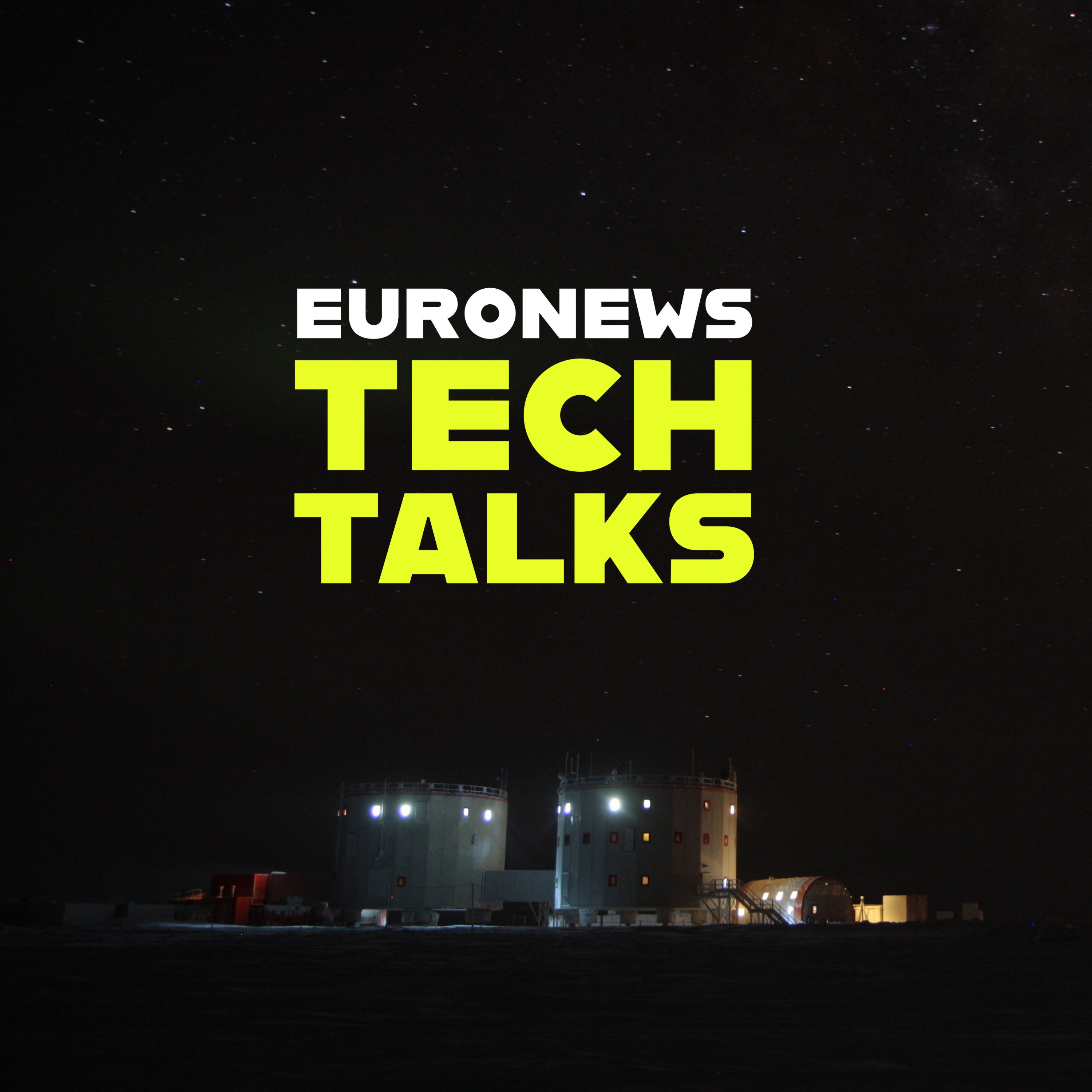
Concordia
Dr. Jessica Studer has spent the last 3 months without seeing daylight. She is spending one year in one of Earth's most extreme places: Antarctica, at Concordia Station.Her research will help us better understand how humans adapt to hostile environments and how isolation impacts their health and well-being. Additionally, it will shed light on what astronauts experience while traveling in space.Eur
Q&A Is Schrödinger’s cat dead?
What is quantum computing? How will it simplify our lives, and increase our productivity? What challenges does it face? Is quantum computing ever going to enter our everyday lives, replacing parts of our laptops and smartphones for quicker computations?And the century's mystery: Is Schrödinger’s cat dead or alive?We ask all these questions to two experts in quantum computing. Stephanie Wehner is a
A day with advanced quantum computing
When Emma Müller, a 44-year-old German woman, wakes up each morning, she already has a detailed plan for her health status, dietary suggestions, and exercise recommendations to optimise her day. She works only three days a week thanks to her high productivity levels. This could be the routine of an average European with advanced quantum computing. When? We spoke with experts on the continent.Euron
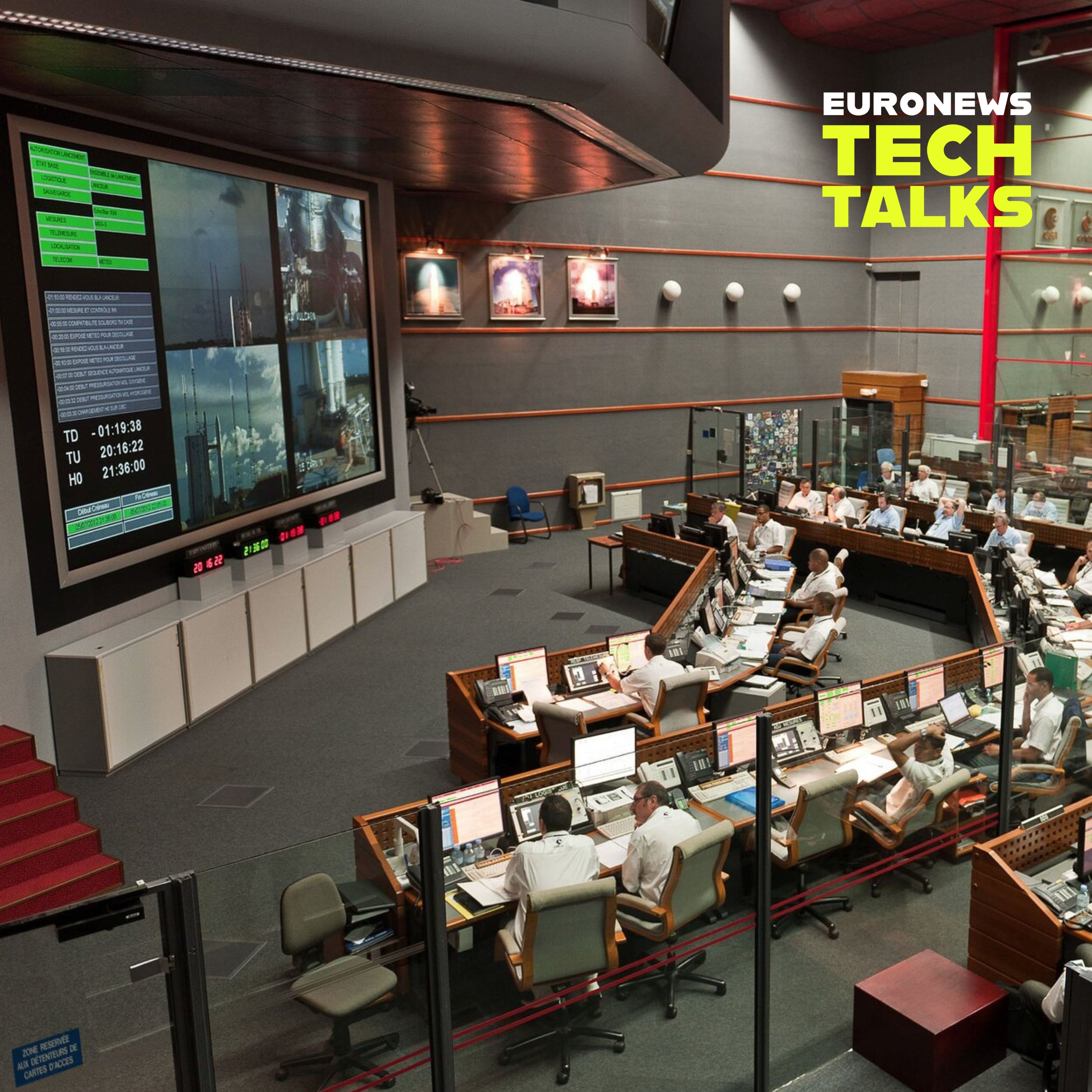
Green or red button for Ariane 6’s launch?
Raymond, Aline, Anne-Sophie, and Romain are four of the many Europeans involved in the building and launch of Ariane 6, Europe’s brand new rocket. And they also hold a crucial responsibility: each of them is authorized to press the red button to halt the launch. Why would they do so, and when? The stakes are incredibly high, as this launch signifies Europe regaining its independent access to space
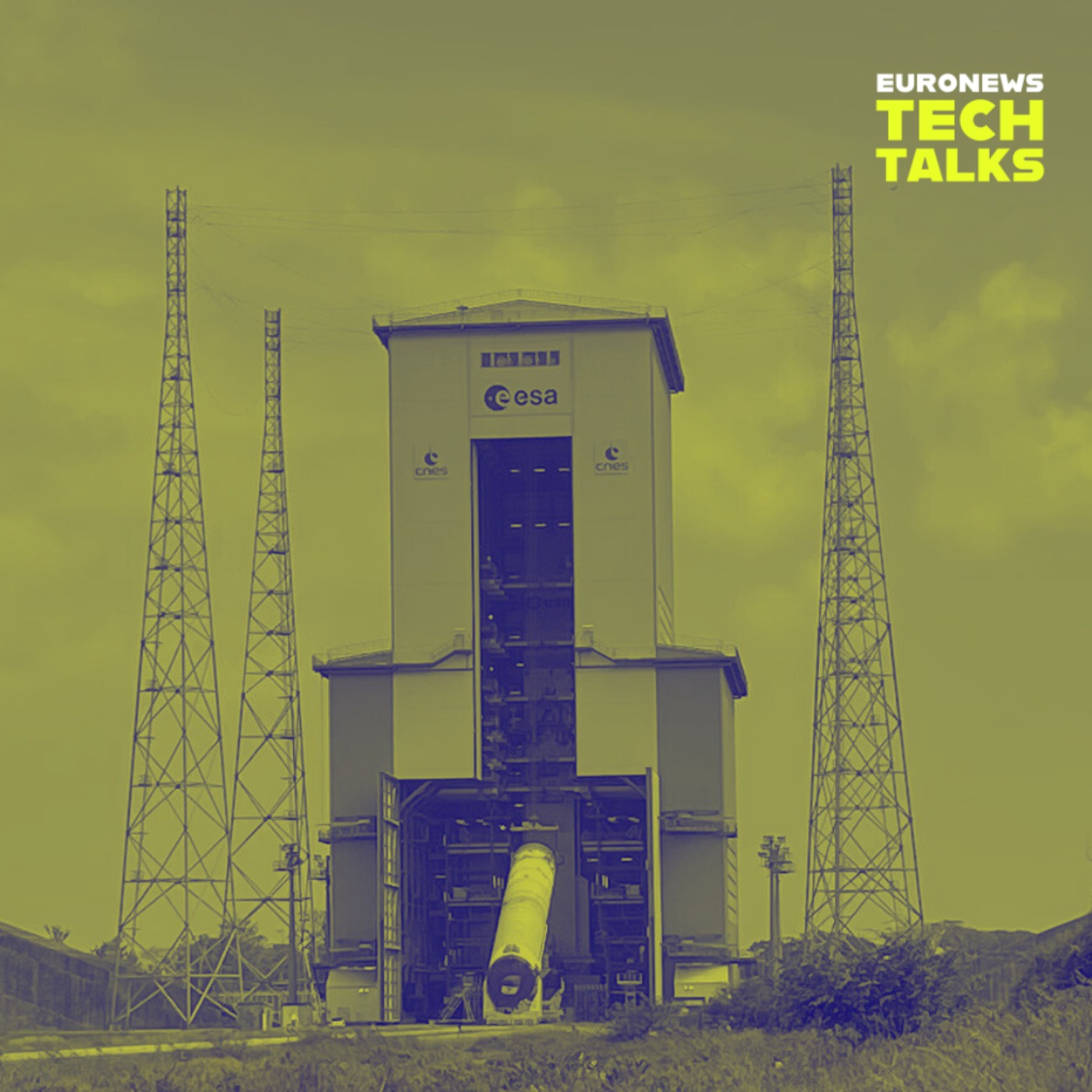
Birthing Europe’s new rocket Ariane 6
Europe's space sector is popping some long-awaited champagne: it has a new baby that is ready to take its first steps.The new Ariane 6 rocket will close a dark chapter in European space history when the region had no workhorse launcher and no independent access to space. What's Ariane 6 like? What's new about it? What space adventures await? Marta and David travel to the European space statio
Quantum Pharmacy with Jean-Philip Piquemal
Quantum is the smallest possible amount of something in the universe, but it could spark the most significant revolution in medicine of the century. How? By accelerating the discovery of new drugs through quantum computing. Jean-Philippe Piquemal is one of the key figures driving this progress. As the director of the Theoretical Chemistry Laboratory at Sorbonne University and the French Natio

Tech for women's well-being with Ida Tin
Ida Tin, the Founder of the menstrual tracker app Clue, and the woman who coined the term for tech tailored towards women’s health and well-being: Femtech. Can you imagine this term didn’t exist before 2016?This episode is part of our mini-series on Health Tech Pioneers.Euronews Tech Talks goes beyond discussions to explore the impact of new technologies on our lives. With explanations,
Digitalising ORs with surgeon Nadine Hachach-Haram
Dr. Nadine Hachach-Haram, a London-based plastic surgeon, once noticed that despite the increasing digitalisation, operating rooms lagged in leveraging their potential to democratise access to quality healthcare. This realisation led her to become what she calls an "accidental entrepreneur" and found her company, Proximie, to introduce technology in traditional operating rooms. With Nadine's

Should we accept the cookies?
Think about what you did yesterday with your phone. Did you look for an address? Did you order food? Did you read a newspaper? Did you listen to a podcast? Did you open an app or take a photo? It's all registered. Today, it's almost impossible to live without leaving a digital footprint.How can we be sure this very long trail of data protects us and does not violate our privacy?In this special epi
The Europeans behind the world's first AI regulation
13 March 2024, Strasbourg: The President of the European Parliament, Roberta Metsola, is about to announce the approval of the AI Act, the first Artificial Intelligence regulation in the world.In this episode, we meet the authors: Brando Benifei and Dragos Tudorache. Together, they made history in the world of AI. Regulators worldwide will look to their text for inspiration.Euronews Tech Talks&nbs
Q&A: Is it possible to heat my house with hydrogen?
The best-kept secret of Meucci, the Italian high school, is its green boiler. It's tucked away amidst the tall trees in its garden and a fenced concrete structure, but it has piqued the curiosity of its students about this promising new energy source.Will hydrogen become the new petrol? Does it pollute? How much does it cost?To answer their questions, we talk to Rosalinde van der Vlies, the Direct
Of Hydrogen-Powered Trucks, Flying Taxis and Cheese
The concept of trapping pure hydrogen in cells isn't just something out of a sci-fi movie anymore. Engineers are working hard on creating fuel cells for transportation that act like batteries, suitable for all sorts of vehicles like trucks. In this episode, we chat with Michael Perschke, CEO of Quantron AG, about hydrogen-powered trucks and how he uses cheese metaphors to explain how they wor
The Hydrogen Rush
It can be white, green, blue, pink or grey. It can be produced by natural gases, renewable energies, coal, nuclear power, and carbon capture. It stores and transports electricity. What is it? Hydrogen! Since the beginning of the war in Ukraine and the European search for alternative energy sources, this chemical element has gained lots of attention. Some politicians and researchers even dare
Manfred, the mastermind
When Manfred began playing multiplayer online role-playing games in the late 1990s, he discovered a way to outsmart the system. Over 20 years, he became a master at finding loopholes and glitches in different games using a wide range of tricks. In this episode, he tells us how he made a fortune out of hacking.In the special true crime podcast miniseries, Hacker Hunter: Next Level, we delve into th
Forsaken, the team's star
Five unknown Indian players get the opportunity of a lifetime: joining one of the world’s biggest eSports organisations and competing internationally. And they're not just there to learn, but to win. They impress and give hope to the Indian Esports scene. Until, one of them, Forsaken, is about to take an action that will shake the foundations of the team and the legitimacy of the esports world its
Anthony, the child prodigy
When four friends realized they could hack one of the most popular video games ever invented, it wasn't long before serious money started rolling in. They didn’t hide; they believed they were doing nothing wrong. However, the FBI would end up raiding their homes. Discover the story of one of the biggest gaming hacks in history.In the special true crime podcast miniseries, Hacker Hunter: Next Level
Are hackers criminal masterminds?
Is hacking illegal? How can it be harmful? And can it be beneficial for society?Prepare for an exploration of human dilemmas in the digital realm through three notorious hacking cases in video game history.In the special true crime podcast miniseries, Hacker Hunter: Next Level, we delve into the thrilling world of hacking. Join us across three episodes as we travel to India and the US to meet
'Capitalism is dead' with Yanis Varoufakis
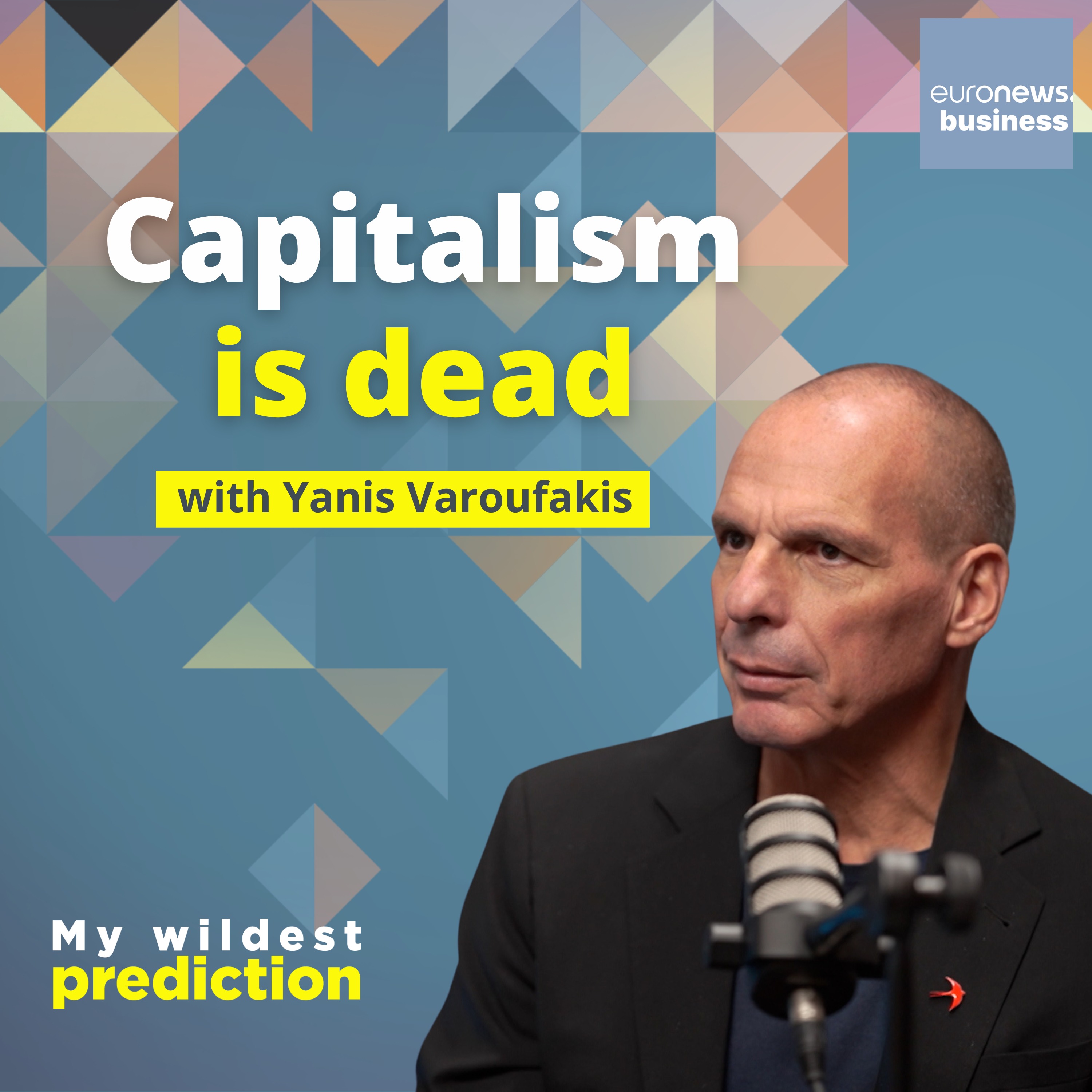
It’s the most wonderful time of the year for retailers. With Christmas around the corner, shopping soars: groceries and drinks for dinners, toys, electronics for gifts, and clothes for events. It seems wild not to believe that capitalism is in perfect health... However, former Greek Minister of Economics Yanis Varoufakis not only thinks it's in decline but claims it's already dead. Who killed
Q&A: Fake news isn't new, deepfake news is
The alarming speed at which deepfakes generate fake news is concerning. They can recreate videos of politicians or television presenters, manipulating their mouths to utter words they've never spoken.How can we protect ourselves? Can a single photo published on social media ruin our lives? Is there a way to regulate it, or are we living in the wild west?We posed these questions to experts in debun
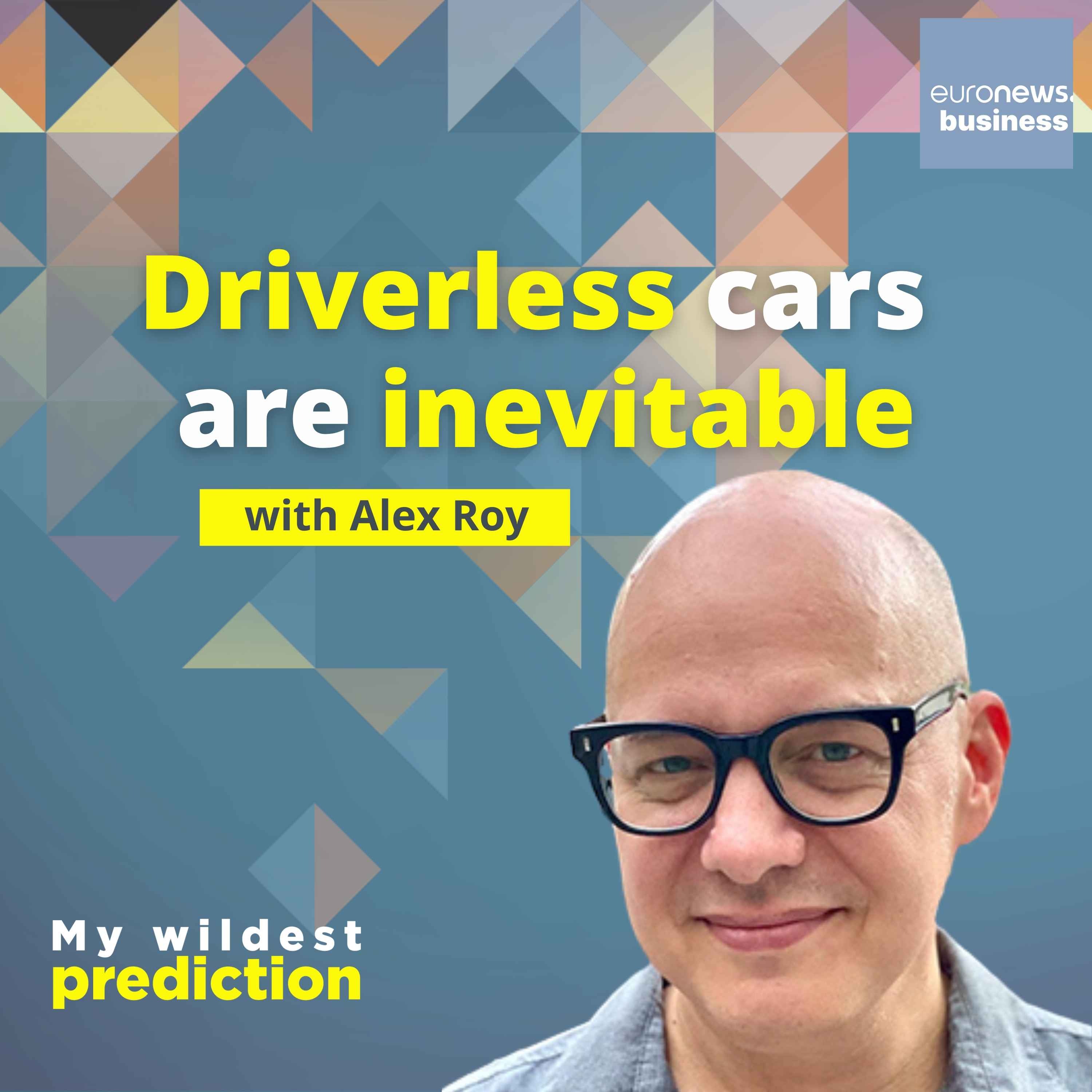
'Driverless cars are inevitable' with rally race driver Alex Roy
In a future dominated by driverless cars, will your grandchildren need a driver's license?Alex Roy, a former executive at Argo AI, a U.S. autonomous driving technology company, is also a rally race driver who asserts that autonomous vehicles are inevitable. Soon, driverless cars won't be the exception but the norm.However, he also argues that human driving will never disappear. How will these two
Seeing is no longer believing
Identity theft, non-consensual porn content, scams, misinformation... Can AI deepfake technology really be used for good?We speak with John Egan, the CEO of L'Atelier BNP Paribas, in an attempt to find some answers: “It's like talking about knives. If we're only discussing knife crime, we're not going to talk about how knives are used in the kitchen for cooking, right?"Euronews Tech Talks&nbs
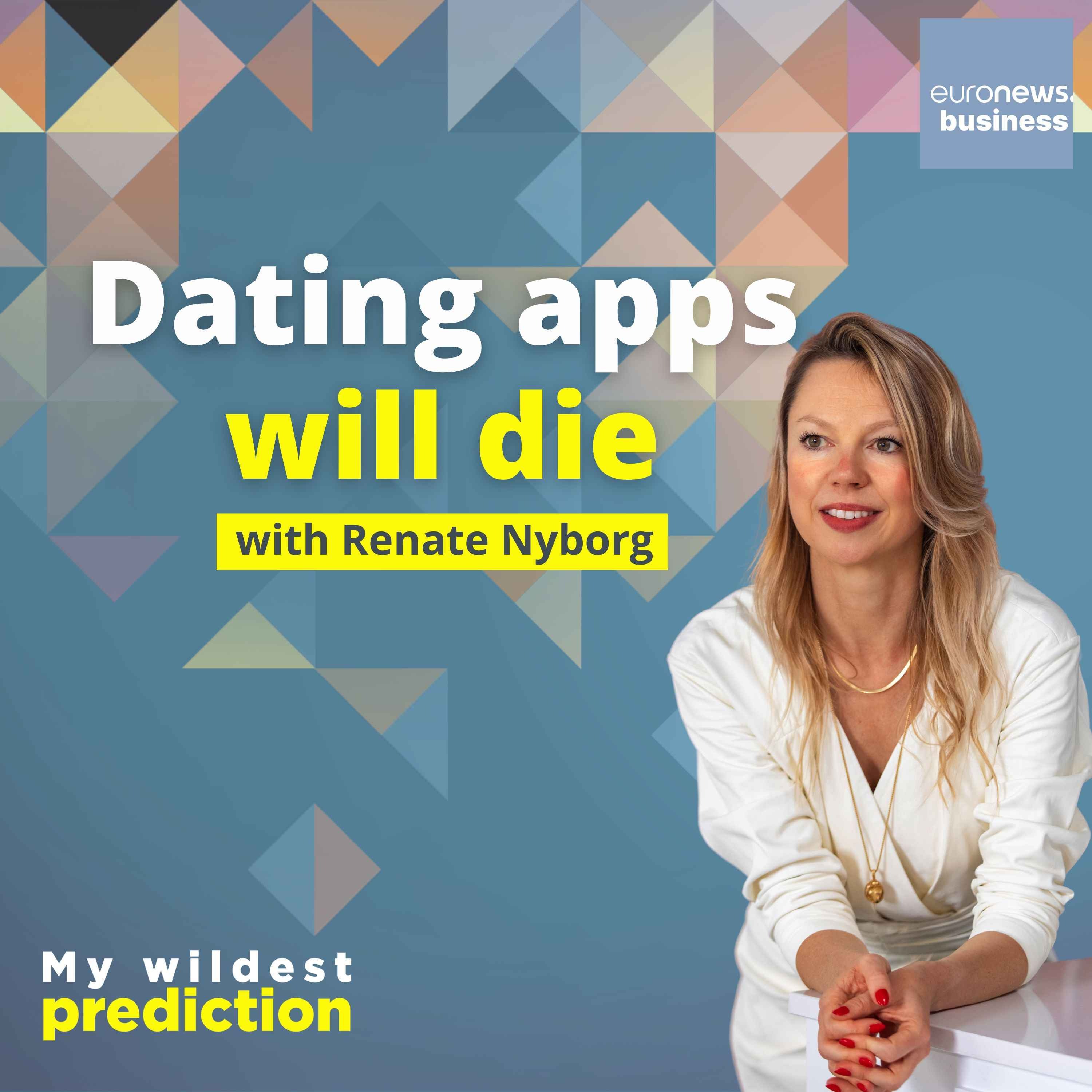
'Dating apps will die' with Former Tinder CEO Renate Nyborg
Renate Nyborg was Tinder's first female CEO, but she left the popular dating app with a mission to use technology to combat loneliness. She is launching a new app, Meeno, that utilizes AI to help solve relationship problems. She also predicts that the future will involve fewer online dating experiences and more real-life encounters.In this first episode of Euronew's new podcast My Wildest Predicti
Almendralejo: When deepfakes are used to undress teenagers
It was a quiet Sunday when Spanish journalist Marian Rosado was browsing her Instagram account and suddenly stumbled upon an unusual Instagram live broadcast.The well-known gynecologist Miriam Al Adib was revealing a very personal and shocking situation: her 14-year-old daughter just told her somebody used an app to take her photo from social media and made it look like she was naked. This is
Q&A: Will we spend more time in VR than in real life?
Do you want to experience Hell or Purgatory? We put on our virtual reality glasses at Italy’s Museum of Cinema in Turin to gather questions about the metaverse: How do the experts believe the metaverse can replicate all the features of the real world? How can you even access the metaverse? Is it open to everyone? Is there a potential risk of life in the real world becoming unbearable as the metave
What am I missing out in the metaverse?
If you're not a teenager deeply immersed in Roblox, Minecraft, or Fortnite, you might be wondering what you're missing out on in the metaverse.We spoke with three experts in the field of virtual reality (VR) education: Matt Sanders from Meta, Christopher Mallet from Bodyswaps, and Alexander Nick from GoStudent. They elaborated on the benefits of acquiring diverse skills in a VR environment, rangin
Who is in the metaverse?
Leonida is a 13-year-old, and almost every day, he enters a metaverse. There, his avatar meets the avatars of some of his friends in the real world, and together, they travel from world to world. Does this mean that THE metaverse already exists? And if so, why do we want to be there?Euronews Tech Talks goes beyond discussions to explore the impact of new technologies on our lives. With explan
Q&A: Life exists outside of Earth
Will humans ever be born on the Moon? Until then, ESA astronaut Matthias Maurer answers questions about life on the International Space Station, humanity's last frontier. From daily routines to his deepest fears, from his diet to his daring first spacewalk. The questions come from France's largest planetarium at Vulcania Theme Park.Euronews Tech Talks goes beyond discussions to explore the im
To the Moon and beyond
“Whenever we expand our capabilities, we want to go places.”While in conversation with ESA astronaut Samantha Cristoforetti and Lead for Life Sciences, Angelique Van Ombergen, India made history by becoming the first country to land near the lunar south pole. With that space exploration milestone in the backdrop, we envisioned a near future with the Lunar Gateway already operational, serving
Space Exploration: Very down to Earth
It's been more than 50 years since humans first stepped onto the Moon—a landmark moment that remains unmatched. But even though we’re not all taking weekend trips to the lunar surface, don't think for a second that space exploration has slowed down. In fact, it's picked up steam. In this episode, we're journeying through Spain, France, Germany, and the UK to uncover how the work being done up ther
Q&A: Will blockchain ever become mainstream?
If all their processes are so secret and protected, how can we ensure blockchain is not used illegally? What is blockchain competing against? What is the purpose of Web 3? And how much do blockchain technologies pollute? Our team attended one of the biggest theatre festivals in Europe, the Festival d'Avignon, and answered these questions while exploring blockchain through theatre. Please take
Blockchain: What are Web 3 and NFTs and do we actually need them?
Blockchain is more than just Bitcoin. It has applications across various domains, including paying taxes and creating art. One of its most ambitious proposals is a censorship-free Internet, where our privacy is not compromised while browsing. In this episode of Euronews Tech Talks, we hear from two tech experts.Maria Paula Fernández believes that Web 3 holds the promise of a superior Internet
Blockchain: Crypto Valley
Cryptocurrency has been talked about for years. You might even know someone who has invested in Bitcoin or one of the thousands of other ‘cryptos’ that exist. But has cryptocurrency and its blockchain technology fully landed in Europe?In this episode, we look at Europe's so-called “Crypto Valley”, discuss trust in decentralised banking systems and see how renewable energy sources are changing Bitc
Q&A: Will Generative AI surpass human minds?
How is ChatGPT affecting the workforce? Can it tell us where to buy illegal drugs? Will artificial intelligence become smarter than humans?Our team attended VivaTech, one of Europe's largest tech and start-up fairs in Paris, to gather concerns and questions surrounding generative AI technology. Then we asked experts to respond to those queries. Euronews Tech Talks goes beyond discussions to e
Generative AI: Terminator's Nuclear Winter or Wall-E's Robotic Paradise?
The risk of apocalyptic scenarios and human extinction has been an unavoidable part of the conversation around AI programmes like ChatGPT since its release. But are these concerns being blown out of proportion? In this episode, we hear from two experts: Dr. Sabine Hauert, a robotics-specialised scientist who envisions a future reminiscent of Wall-E rather than Terminator, and Dr. Matthew Glan
Recommandé

Sexualité: mode d'emploi

C'est creepy - serial killers, paranormal, mystères
Les podcasts du Média
Audrey Dana

Mille et une histoires

Contes des Soirs Perdus

Chroniques étranges - Histoires d'Horreur & Mystères

La société de minuit

Choses à Savoir TECH

Apprends l’anglais 🇬🇧 pendant ton sommeil 😴 1000 phrases pour débutants | avec 1000-words.com
Légendes urbaines
Pascal Praud et vous
